
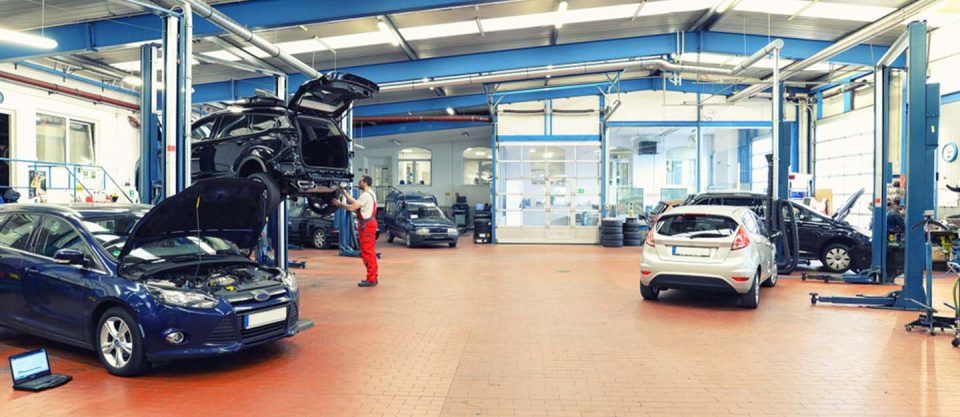
Finding the right auto repair shop can make all the difference between stress-free vehicle maintenance and constant frustration. Yet, many car owners unknowingly make decisions that lead to costly mistakes, poor service, or even damage to their vehicles. Understanding common mistakes to avoid when choosing an auto repair shop helps ensure that you receive professional, trustworthy, and high-quality automotive care that protects both your investment and safety on the road.
Ignoring Certifications and Professional Credentials
One of the biggest mistakes people make when selecting an auto repair shop is failing to verify certifications. The most reputable shops employ ASE-certified technicians (National Institute for Automotive Service Excellence). This certification proves that the mechanic has passed rigorous testing and has up-to-date knowledge of vehicle systems, diagnostics, and repair techniques.
Choosing a shop without certified technicians can result in poor workmanship and misdiagnoses. Vehicles today rely heavily on advanced technology and electronic systems that require specialized training to handle properly. A certified technician ensures your vehicle is repaired correctly and efficiently.
Before leaving your vehicle with any shop, ask about:
- Technician certifications and continuing education.
- Business licenses and insurance to ensure compliance with local regulations.
- Manufacturer-specific training, especially if you drive a luxury or hybrid model.
Without these credentials, you’re risking your car’s performance and safety.
Choosing Based on Price Alone
Many drivers focus solely on cost when selecting an auto repair shop, assuming that the cheapest option will save them money. Unfortunately, this often backfires. Lower prices can mean lower-quality parts, inexperienced labor, or rushed repairs that cause more problems later.
On the other hand, a high price doesn’t always guarantee quality. The key is finding a shop that offers fair, transparent pricing combined with proven reliability. Always ask for a written estimate and make sure it includes labor, parts, and any additional fees.
When comparing shops, consider:
- The quality and source of replacement parts (OEM vs. aftermarket).
- Warranty coverage for parts and labor.
- The shop’s reputation for honesty and reliability.
A well-balanced approach ensures you receive value for your money without compromising quality or safety.
Failing to Research the Shop’s Reputation
In today’s digital age, ignoring online reviews is a major mistake. Customer feedback provides real-world insight into a shop’s reliability, professionalism, and service quality. Reputable auto repair shops consistently earn positive reviews and handle complaints responsibly.
Look for feedback that highlights:
- Honesty and transparency in pricing and repairs.
- Consistent quality across various services.
- Timeliness in completing repairs as promised.
- Customer satisfaction and effective communication.
You can also ask for recommendations from friends, family, or colleagues who own similar vehicles. Word-of-mouth referrals remain one of the most trustworthy sources when evaluating a shop’s credibility.
Avoid shops with a pattern of negative reviews mentioning overcharging, poor workmanship, or lack of communication. These are red flags that can lead to regret later.
Overlooking Experience and Specialization
Not all repair shops are equipped to handle every type of vehicle. Some specialize in specific makes, models, or services such as transmissions, brakes, or hybrid systems. Taking your car to a shop unfamiliar with your vehicle’s requirements can lead to improper repairs or unnecessary replacements.
When evaluating a shop’s expertise, consider:
- How long the shop has been in business.
- Whether they have experience with your specific make and model.
- If they possess advanced diagnostic tools for your car’s system.
An experienced shop can identify potential problems quickly and accurately, saving you time and money while ensuring your vehicle receives the care it deserves.
Not Asking About Warranties
Many customers fail to ask about warranty coverage for repairs and parts, which can lead to frustration if problems reappear shortly after service. A reputable auto repair shop should provide a written warranty covering both labor and parts.
A typical standard warranty might cover:
- Parts for 12 months or 12,000 miles.
- Labor for the same duration.
- Extended warranties for specific components or premium parts.
Always clarify what the warranty includes, its duration, and whether it’s valid nationwide. If a shop refuses to offer any warranty, consider it a serious red flag.
Ignoring Cleanliness and Organization
The physical condition of an auto repair shop tells you a lot about how it operates. A disorganized, dirty, or poorly maintained facility often reflects a lack of professionalism. Conversely, a clean, organized shop demonstrates attention to detail, safety, and customer care.
When visiting a repair shop, observe:
- Whether the work area is tidy and tools are organized.
- If the waiting area is clean and comfortable.
- How staff interact with customers and handle vehicles.
A shop that takes pride in its appearance usually extends that same level of care to the vehicles it services.
Failing to Request a Written Estimate
Accepting verbal quotes is another mistake many car owners make. Without written documentation, you risk surprise charges or disputes over what was agreed upon. Always ask for a detailed written estimate before authorizing any repair work.
A professional estimate should include:
- A breakdown of parts, labor, and taxes.
- Expected completion time.
- Explanation of necessary vs. recommended repairs.
Transparency in estimates prevents misunderstandings and ensures you know exactly what you’re paying for.
Skipping Communication and Follow-Up
Good communication is essential in any service industry, and auto repair is no exception. Some customers fail to ask questions or request updates during the repair process. This lack of communication can result in confusion, unexpected costs, or incomplete repairs.
To avoid this mistake:
- Discuss the repair process clearly before leaving your vehicle.
- Ask the technician to contact you before performing additional work.
- Request updates via phone or text if the repair takes more than a day.
A trustworthy shop will always welcome your questions and keep you informed every step of the way.
Overlooking Diagnostic Fees and Transparency
Many auto repair shops charge diagnostic fees to identify issues, especially for modern vehicles equipped with complex electronic systems. Some customers mistakenly assume diagnostics should be free, leading to misunderstandings.
Ask upfront:
- How much the diagnostic fee is.
- Whether the fee will be applied toward the repair cost if you proceed.
- How long the diagnostic process will take.
Shops that clearly explain their diagnostic process demonstrate transparency and professionalism.
Not Checking for Insurance and Liability Coverage
Accidents can happen during repairs, such as fire damage, theft, or accidental scratches. Failing to verify whether a shop has adequate liability insurance can leave you financially responsible for damages.
Always confirm that the shop carries:
- Garage liability insurance covering customer vehicles.
- Worker’s compensation insurance for employee-related injuries.
This ensures your vehicle is protected while in their care, giving you peace of mind.
Ignoring the Value of Building Long-Term Relationships
Many vehicle owners shop around for one-time deals instead of building a lasting relationship with a trusted repair shop. While price shopping may seem cost-effective, it often leads to inconsistent service and a lack of accountability.
Developing a long-term relationship with a reputable shop offers several benefits:
- Personalized service based on your car’s history.
- Priority scheduling and faster service.
- Honest recommendations instead of unnecessary upsells.
- Potential loyalty discounts or special offers.
A trusted shop becomes your partner in maintaining your vehicle’s health, not just a one-time service provider.
Overlooking Location and Convenience
While expertise should always come first, convenience also matters. Some customers choose distant repair shops that make routine maintenance difficult to schedule. Over time, this can lead to skipped appointments and neglected upkeep.
Choose a shop that’s conveniently located near your home or workplace and offers flexible scheduling options. Many reputable shops also provide courtesy shuttles, loaner vehicles, or pickup services to make the process easier.
Failing to Ask About Parts Quality
Not all replacement parts are created equal. Some shops use low-quality or counterfeit parts that can compromise your car’s performance and safety. Always confirm the source and type of parts used for your repair.
There are typically three categories:
- OEM (Original Equipment Manufacturer): Genuine parts made by your car’s manufacturer.
- Aftermarket parts: Produced by third-party companies and may vary in quality.
- Reconditioned parts: Used parts restored to working condition.
Ask your mechanic which option they recommend and why. A reliable shop will always explain the pros and cons of each type.
FAQs
How do I know if an auto repair shop is trustworthy?
Check for ASE-certified technicians, read online reviews, and visit the shop to evaluate cleanliness and professionalism. Transparency and communication are also strong indicators of reliability.
What should I do if a repair shop overcharges me?
Discuss the issue directly with the shop’s management and request an itemized bill. If unresolved, you can contact local consumer protection agencies or the Better Business Bureau.
Are small, independent repair shops reliable?
Yes, many independent shops provide excellent service. What matters most is the shop’s certification, reputation, and transparency, not its size.
Can I ask for old parts after repair?
Absolutely. Requesting your old parts is a good way to verify that the work was completed as promised and that the replaced components were genuinely faulty.
What’s the best way to compare auto repair shops?
Compare certifications, warranties, customer reviews, and pricing transparency. Visiting each shop personally to observe professionalism and communication also helps make an informed choice.
Avoiding these common mistakes when choosing an auto repair shop can save you from frustration, wasted money, and potential vehicle damage. With careful research, open communication, and attention to detail, you can find a trusted partner that keeps your vehicle performing safely and efficiently for years to come.
