
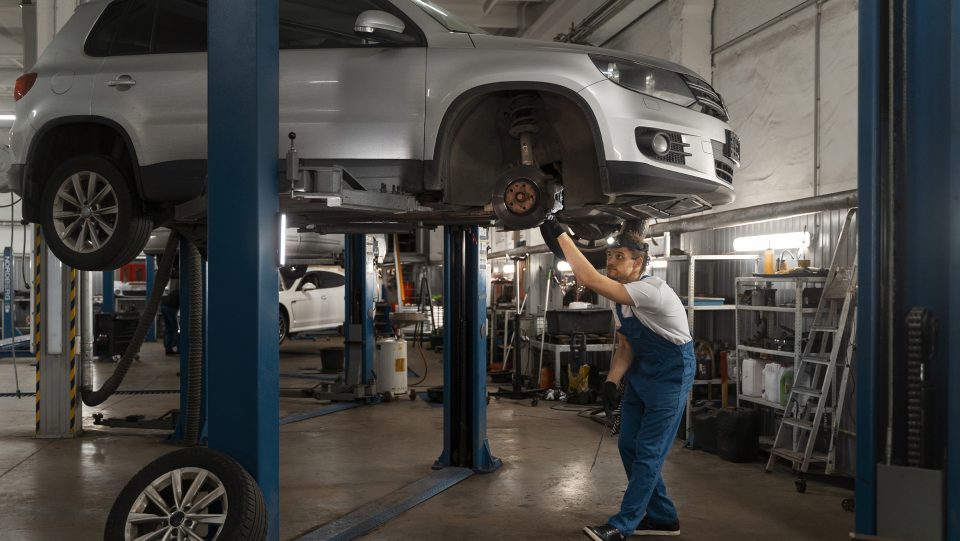
Taking your vehicle to an auto repair shop might feel like an unnecessary expense, especially when everything seems to be running smoothly. However, consistent maintenance and professional inspections are not just about keeping your car in good condition; they are a smart financial strategy that prevents costly repairs, extends your vehicle’s lifespan, and maintains optimal performance. Understanding why regular visits to an auto repair shop save you money can change the way you view automotive care and help you make more informed decisions as a car owner.
The Real Cost of Skipping Regular Maintenance
Many drivers postpone routine maintenance, believing it saves money in the short term. But this approach often leads to larger, more expensive problems later. Modern vehicles are complex machines that rely on interconnected systems. A small issue in one component can quickly escalate and cause damage to others if not addressed promptly.
For example, neglecting regular oil changes can cause engine components to wear prematurely, leading to overheating or even total engine failure. An oil change costs a fraction of what an engine replacement would. The same principle applies to other systems like brakes, transmission, and cooling.
Common examples of neglect that lead to higher repair costs include:
- Ignoring oil and filter changes, resulting in engine damage.
- Skipping brake inspections, causing rotor or caliper damage.
- Overlooking tire rotations and alignment, leading to uneven tire wear and poor handling.
- Failing to replace worn belts and hoses, which can cause breakdowns or overheating.
Routine visits to an auto repair shop help identify such issues early, allowing you to fix minor problems before they turn into expensive repairs.
Preventive Maintenance Extends Vehicle Lifespan
A well-maintained vehicle lasts significantly longer than one that only receives attention when problems arise. Preventive maintenance involves proactive care—servicing your vehicle before breakdowns occur. This includes regular oil changes, fluid checks, brake inspections, tire rotations, and other manufacturer-recommended services.
When your car runs efficiently, all its parts experience less strain. Regular maintenance reduces friction, prevents component wear, and ensures that all systems function properly. Over time, this adds years to your vehicle’s life, reducing the need to replace it prematurely.
It’s important to remember that a car is an investment, not just a mode of transportation. Protecting that investment through consistent maintenance provides long-term savings, better reliability, and improved resale value.
Catching Small Issues Before They Become Big Problems
One of the biggest financial benefits of visiting an auto repair shop regularly is early detection. Skilled technicians can spot potential problems that you may not notice during daily driving. This proactive approach prevents major breakdowns that could cost thousands of dollars to repair.
For example:
- A small coolant leak might seem insignificant but could eventually cause engine overheating.
- A worn brake pad can lead to rotor damage if ignored.
- Slight vibration or noise from suspension components could escalate into steering or alignment issues.
By identifying these concerns early, you avoid the domino effect of one failure leading to multiple component replacements. Regular inspections also give you time to budget for upcoming repairs instead of facing sudden, unexpected expenses.
Better Fuel Efficiency Saves Money
Regular maintenance directly impacts your vehicle’s fuel economy. Simple tasks like changing air filters, checking tire pressure, and maintaining proper engine performance can improve fuel efficiency significantly. When your car burns fuel efficiently, you spend less money at the gas station.
Some of the most common maintenance tasks that improve fuel economy include:
- Replacing dirty air filters: A clogged filter forces your engine to work harder, consuming more fuel.
- Maintaining proper tire pressure: Underinflated tires create drag, reducing miles per gallon.
- Changing spark plugs and fuel filters: Ensures clean combustion and consistent performance.
- Using the correct motor oil: The right viscosity helps reduce friction and improve efficiency.
These small, inexpensive maintenance steps have a cumulative effect that translates into real savings over time.
Avoiding Emergency Repairs and Breakdowns
Emergency repairs almost always cost more than scheduled maintenance. When a breakdown occurs unexpectedly, you not only pay for parts and labor but also towing fees, emergency service charges, and potential rental car costs.
Routine visits to an auto repair shop significantly reduce the risk of being stranded. Regular checkups ensure your car is road-ready and all major systems are in good working condition. This is especially critical before long trips, harsh weather seasons, or extended commutes.
Additionally, emergency repairs often limit your options. When your car breaks down suddenly, you might have to accept the first available repair service, which can lead to inflated costs or rushed workmanship. Consistent maintenance allows you to plan repairs on your own schedule and budget.
Preserving Manufacturer Warranties and Insurance Benefits
If your vehicle is under a manufacturer’s warranty, following the recommended maintenance schedule is essential. Neglecting regular service can void warranty coverage, leaving you to pay for expensive repairs out of pocket. Most warranties require proof of regular maintenance, such as oil changes, brake inspections, and other scheduled services.
Similarly, some insurance companies consider your maintenance habits when evaluating claims or determining vehicle value after an accident. Keeping accurate service records from a professional auto repair shop demonstrates that you’ve properly maintained your car, which can support warranty claims or increase resale value.
Increasing Resale and Trade-In Value
When it’s time to sell or trade in your vehicle, a well-documented maintenance history becomes one of your strongest selling points. Buyers and dealerships are willing to pay more for a car that’s been consistently serviced.
Regular visits to an auto repair shop provide verifiable proof of proper care. This not only boosts confidence in your vehicle’s condition but also helps you negotiate a higher price. A car with a spotty or nonexistent service history, on the other hand, often sells for far less or takes longer to sell.
Building a Relationship with a Trusted Mechanic
Another hidden financial advantage of consistent visits to an auto repair shop is building trust with your mechanic. When you visit the same shop regularly, technicians become familiar with your vehicle’s history and performance patterns. This allows them to provide personalized recommendations and spot recurring issues before they become major problems.
A long-term relationship with a trusted shop can also lead to:
- Priority service and faster turnaround times.
- Honest advice tailored to your budget.
- Discounts or loyalty rewards on future repairs.
- Confidence that your car is in capable hands.
In contrast, jumping between different shops for quick fixes can result in inconsistent care, miscommunication, and unnecessary repairs.
The Hidden Value of Professional Inspections
Professional technicians are trained to detect subtle issues that may escape an untrained eye. Regular inspections go beyond basic fluid checks and oil changes. They include thorough evaluations of your braking system, suspension, transmission, electrical systems, and more.
During these inspections, mechanics often use advanced diagnostic equipment to scan for error codes or performance irregularities that could indicate future problems. Addressing these early not only prevents expensive repairs but also keeps your car performing safely and efficiently.
Budgeting for Regular Maintenance
One of the best ways to manage vehicle expenses is to treat maintenance as a recurring budget item rather than an unexpected cost. Most repair shops offer maintenance schedules based on mileage or time intervals, allowing you to plan ahead.
Here’s a simple budgeting strategy:
- Allocate a small monthly amount for maintenance, even if your car doesn’t currently need service.
- Use maintenance packages offered by reputable shops to save on bundled services.
- Take advantage of seasonal checkup deals that include tire rotations, fluid top-offs, and inspections.
Proactive budgeting ensures that maintenance costs never become a financial burden and helps you avoid large, sudden repair bills.
FAQs
How often should I visit an auto repair shop for maintenance?
It depends on your vehicle type and driving habits, but most experts recommend a visit every 5,000 to 7,500 miles for inspections and basic services like oil changes.
Is preventive maintenance really cheaper than major repairs?
Yes. Preventive maintenance may seem like an added expense, but it’s a fraction of the cost of major repairs. For example, a $100 brake inspection can prevent a $1,000 brake system replacement.
Can I perform maintenance myself to save money?
Basic tasks like checking fluids or replacing wiper blades can be DIY-friendly, but complex systems like brakes, transmission, and electrical components are best handled by professionals to ensure safety and reliability.
Does regular maintenance improve fuel economy?
Absolutely. Clean filters, proper tire pressure, and well-tuned engines can increase fuel efficiency by up to 10%, saving you hundreds of dollars in fuel annually.
How do I know if I’m visiting a trustworthy auto repair shop?
Look for ASE-certified technicians, transparent pricing, strong customer reviews, and a clean, organized facility. A reliable shop will also explain repairs clearly and never pressure you into unnecessary services.
Consistent visits to a reliable auto repair shop are not an expense—they’re an investment in your vehicle’s future and your financial peace of mind. By preventing major repairs, improving efficiency, and extending your car’s life, regular maintenance delivers savings that far outweigh the cost of occasional service appointments.
