
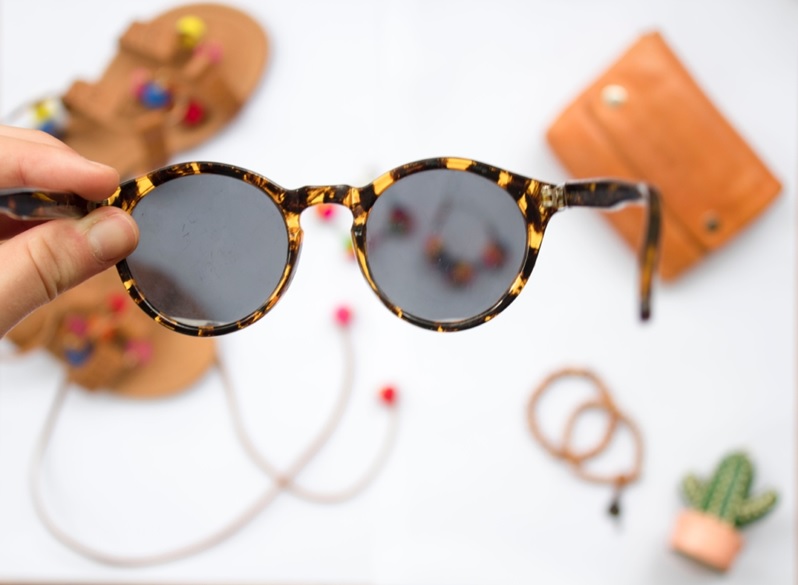
Eyewear has always been about more than correcting vision. From the earliest glass lenses to modern lightweight frames, glasses have evolved to fit lifestyle, fashion, and health needs. Today, we stand at the edge of another transformation, thanks to adaptive glasses — technology-driven eyewear designed to respond to the world around us and to the needs of the wearer.
What are adaptive glasses?
At their core, adaptive glasses are lenses that adjust to changing conditions. This could mean darkening in sunlight, fine-tuning focus, or even connecting to digital devices. Unlike traditional glasses, which are fixed in their function, adaptive lenses use sensors, coatings, or electronic components to change in real time.
For many people, the most familiar form is photochromic lenses — the type that automatically darken when exposed to UV light. But adaptive eyewear has moved far beyond this, with innovations that cater to specific vision problems, lifestyle demands, and even fashion preferences.
The science behind the shift
Several technologies power adaptive glasses. Photochromic molecules remain popular for light-responsive lenses, but newer developments involve liquid crystal layers, electrochromic films, and AI-driven sensors. These allow glasses to do much more than filter light.
For example, researchers are developing lenses that can switch focus, offering dynamic alternatives to bifocals or progressive lenses. Imagine glasses that automatically adjust between reading a book, working on a laptop, and looking across a room, all without you noticing the transition. This removes the need for multiple prescriptions or awkward lens designs.
Another area of interest is blue light control. Instead of wearing a fixed coating that filters out a set amount, adaptive technology allows lenses to respond to how much artificial light is in your environment. In the age of digital screens, this has obvious benefits for eye comfort and long-term health.
Benefits for everyday life
The appeal of adaptive glasses is straightforward: convenience, comfort, and better vision. For people who move between indoors and outdoors frequently, adaptive lenses save the trouble of swapping between prescription glasses and sunglasses. For those with complex prescriptions, they provide a smoother visual experience.
Athletes and outdoor enthusiasts are also beginning to see the advantages. Lenses that shift tint quickly help maintain clarity in changing weather, such as when running in and out of shaded areas or cycling at dawn. The technology removes the distraction of poor visibility, allowing users to focus on performance.
In healthcare, adaptive eyewear is showing promise for patients with age-related conditions. For instance, glasses that dynamically adjust magnification could help people with presbyopia, a common difficulty with near vision as we age. Instead of juggling multiple pairs of glasses, one device could handle it all.
Challenges and limitations
As with most technology, adaptive glasses come with trade-offs. The most obvious is cost: these lenses are often significantly more expensive than standard glasses. While prices may drop as adoption grows, the initial investment can be a barrier for many.
There are also technical limitations. Some photochromic lenses take time to adjust, which can be frustrating when moving quickly between light and dark environments. Early versions of electrochromic lenses had noticeable colour casts, which not everyone found appealing. Battery-powered adaptive lenses raise questions about charging and long-term reliability.
Despite these hurdles, the pace of improvement is fast. Just as mobile phones quickly went from niche luxury to everyday necessity, adaptive glasses may follow a similar trajectory once comfort, performance, and cost align.
The fashion factor
Technology alone doesn’t sell eyewear — style does too. For adaptive glasses to succeed, they need to fit into the world of fashion as much as function. Thankfully, designers are recognising this, offering frames that look no different from ordinary glasses.
In fact, some luxury brands are experimenting with adaptive lenses that subtly enhance the aesthetic of the glasses, creating a more dynamic accessory. As consumers expect both utility and design, this balance will play an important role in wider adoption.
The future of adaptive eyewear seems tied to broader shifts in technology. Smart glasses, once hyped but slow to take off, could integrate adaptive lenses as a natural feature. Augmented reality applications demand comfortable, flexible optics — and adaptive lenses may prove essential.
There’s also the sustainability angle. Instead of owning multiple pairs of glasses for different activities, a single adaptive pair could reduce waste and overconsumption. If manufacturers can combine technical innovation with eco-conscious production, the appeal will be even greater.
A vision of what’s next
Adaptive glasses are no longer a futuristic concept; they’re here, and improving year by year. For now, they represent convenience and cutting-edge technology for those willing to invest. In the coming decade, they may become the standard, changing how we think about eyewear entirely.
For anyone who has ever fumbled between reading glasses and sunglasses, or squinted at a screen after hours of work, the idea of eyewear that adjusts to your life — rather than the other way around — is a compelling one. Technology is giving us lenses that are not static, but alive to context. That shift could reshape not only how we see the world, but how the world sees us.
